


Skip to content
All articles
  • All articles
  • About whales & dolphins
  • Create healthy seas
  • End captivity
  • Fundraising
  • Green Whale
  • Internship
  • Kids blogs
  • Prevent bycatch
  • Prevent deaths in nets
  • Scottish Dolphin Centre
  • Stop whaling
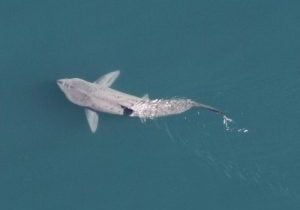
Basking shark. Credit: NOAA

What is a basking shark?

Basking shark. Credit: NOAA Expedition 2026: White Sharks and Whales SEE SHARKS AND DOLPHINS IN...
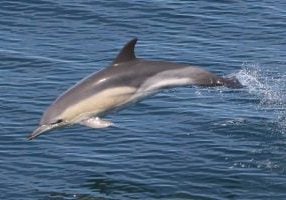
Common dolphin. Credit: WDC

What’s the difference between a shark and a dolphin?

Common dolphin. Credit: WDC Expedition 2026: White Sharks and Whales SEE SHARKS AND DOLPHINS IN...
sunglasses gift guide

Gifts that give back: Father’s Day gift guide

Make a splash this Father's Day with WDC's charity shop! Find a present for Dad...
The Last Whale Singer movie poster

The Last Whale Singer now in theatres

Donate today to support Whale and Dolphin Conservation. DONATE Adopt an orca or a humpback...
All policy news
  • All policy news
  • Create healthy seas
  • End captivity
  • Prevent bycatch
  • Prevent deaths in nets
  • Stop whaling
  • Strandings

Whale culture should play a part in their conservation says new international study

An international group of researchers working on a wide range of species, including whales, argues...

No change in Norway whaling quota as number of whales to be killed remains high

Norway’s Minister of Fisheries has announced that the country has set itself the same number...

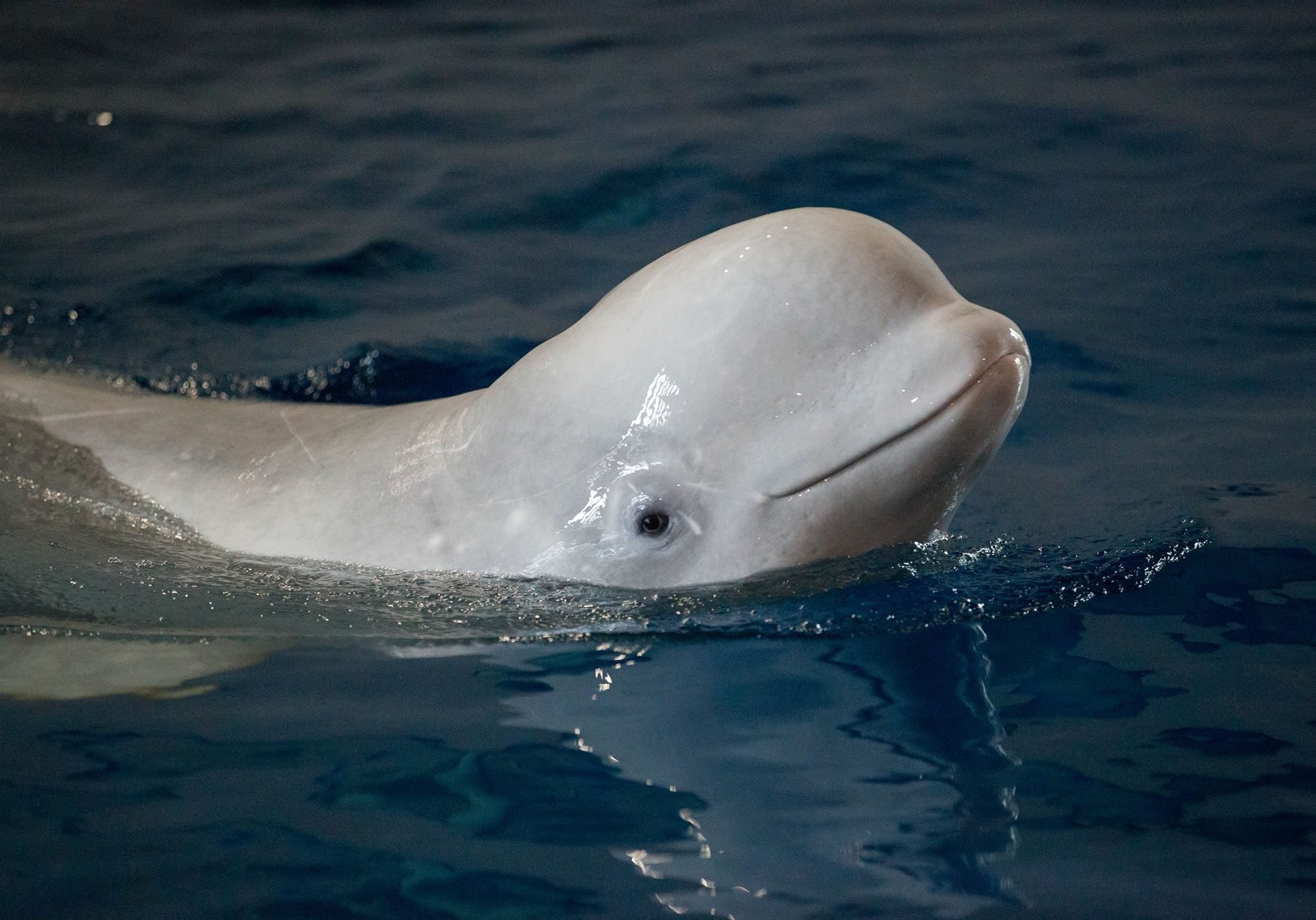
Preparations for beluga whale move to Iceland continue

Ahead of the relocation of Little White and Little Grey to the world’s first open...
Photo taken by Sea to Shore Alliance under NOAA Permit #15488

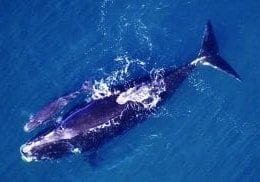
Senate Leaders Introduce Bipartisan Bill to Save the North Atlantic Right Whale

After a deadly summer for North Atlantic right whales, Senators Booker (D-NJ), Isakson (R-GA) and...

Norway’s whaling future uncertain after survey shows little domestic appetite for whale meat

The future of Norway’s whaling industry appears to be in serious doubt as it struggles...
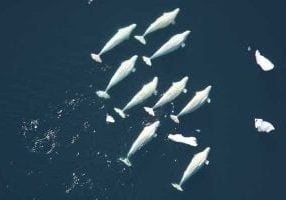
nmfs_beluga_drone_laura_morse_afsc

Moving in the wrong direction: new application would bring belugas to US marine parks

Earlier this year, WDC celebrated the passage of a landmark law to ban whale and...
Fin whale

Positive whaling news emerges from Iceland

News is emerging from Iceland that the company behind Iceland’s fin whale hunts, Hvalur hf,...
Valentin - orca held at Marineland Antibes, France

Success! France to ban captivity of whales and dolphins in marine parks

WDC’s continued campaigning to end the keeping of whales and dolphins in captive facilities for...
Beluga whale

Belugas take ‘little steps’ into the ocean sanctuary

We are pleased to confirm that beluga whales, Little Grey and Little White, have taken...
Belugas-300x225

Beluga Whale Sanctuary Winter 2020 Update

Using the landside care facility for this purpose has always been part of the long-term...
Leonardo Da Silva/Flickr

Alarming report raises worries for marine mammals held at the Miami Seaquarium

Leonardo Da Silva/Flickr A disturbing report on the conditions at the Miami Seaquarium from the...
Beluga whales - Little Grey and Little White

Beluga Sanctuary Update – July 1st

Update: 1st July 2020 We have been working to relocate belugas, Little Grey and Little...

Offshore Wind in the United States: Don’t Blow It

Block Island wind credit: Regina Asutis-Silvia

Recently, new areas were added to the growing list of potential sites for offshore wind development on both the East and West Coasts of the U.S.  The Biden-Harris Administration announced the news with excitement, as these two areas – off the coast of Oregon and in the Central Atlantic – are part of the Administration’s goal of reaching 30 gigawatts of offshore wind energy by 2030.

WDC was a little more reserved in our excitement.  Offshore wind energy is moving forward rapidly and there are still many concerns to make sure these facilities are developed responsibly and without harm to marine life.  

Like any large-scale development in the ocean, wind energy does pose a risk to the environment.  We need a robust process that considers the potential impacts from all phases – starting with the assessments just initiated by the recent announcement of those two new areas off Oregon and the Central Atlantic.  We can advance the renewable energy we need in a way that protects the marine life we love (and also need!).

Pinball the humpback. Credit: WDC N America

If you are able to make a donation, it would mean the world to us.

YES. I'LL DONATE.

WDC has worked with many other conservation groups over a period of several years to provide expert input on the potential impacts of offshore wind and to urge the federal government to include conditions that protect vulnerable habitats and marine life.  We’re happy to see our input being considered and incorporated in some parts of the process, but there is still much more that needs to be done.

Planning for offshore wind should start with careful consideration of where to put sites. By identifying sensitive habitats, areas important to survival and recovery of protected species, and hotspots of biodiversity, these important areas can be protected  through every stage of offshore wind development.

These new potential offshore wind areas off Oregon and the Central Atlantic are in just the right stage to identify and avoid those important habitat areas.  A comprehensive environmental review of these areas now will save time in the future by making sure important concerns are addressed before any development occurs.  The process should be supported by strong science, transparent about environmental considerations, developed in collaboration with all stakeholders and all levels of government - including Tribal governments - and should ensure frontline communities are not disproportionately impacted by development.

Offshore wind has a lot of potential to help the U.S. meet clean energy goals and reduce the impacts of climate change, which are already impacting whales and marine ecosystemsBut it must be done right. Whales can help fight climate change, too - and we shouldn’t lose species or essential habitat while trying to save the planet.  Developing offshore wind with strong protective measures, robust monitoring and research to further understand and alleviate its impacts is essential to the future of offshore wind and our marine life.

Another way to help is by sharing this on social media!

Leave a Comment