
Do whales have their own culture?

Did you know that whales and dolphins have cultures too? Whether they’re sharing whale song or teaching their calves to forage using tools, the knowledge that’s passed between individuals and generations can be critical to their survival. By learning from others, unique cultures can develop.
We’ve been working with researchers from all over the world for over a decade exploring culture in non-human animals. Thanks to your support, our research is finally making waves in global conservation.
To better understand culture in other species, we’ve collaborated with experts across a wide range of species through the UNEP Convention on the Conservation of Migratory Species (CMS) – an international treaty dedicated to protecting species that migrate between countries. What began as a small mention in a CMS resolution in 2011, has blossomed into an extensive international collaboration.
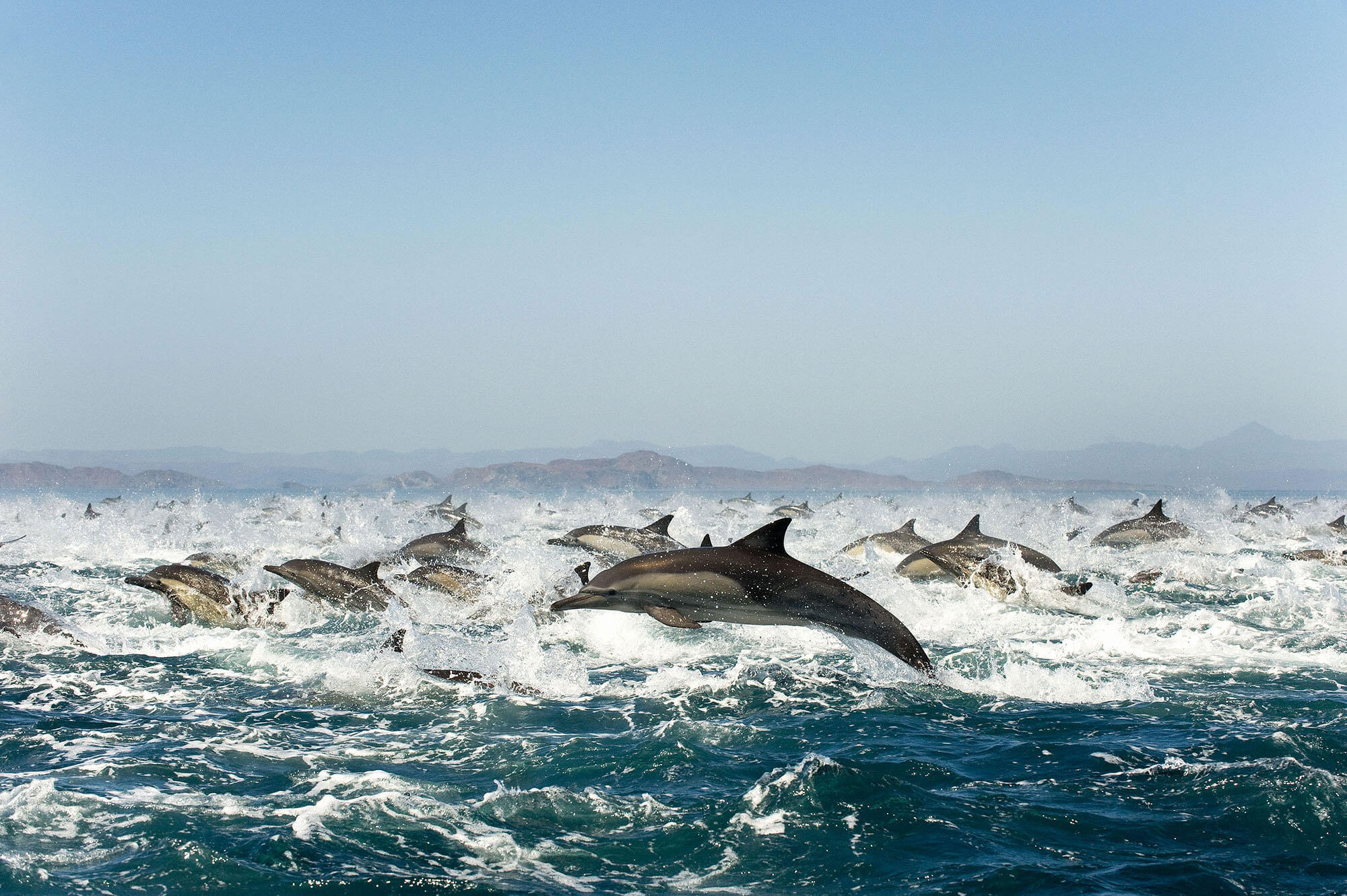
The power of research
This year, our efforts culminated in a special issue of this major scientific journal. This publication brings together groundbreaking insights on birds and elephants to orcas and sperm whales, revealing just how deeply learning from others shapes life in the natural world. This is a major moment for conservation. It shows that culture and social learning aren’t uniquely human traits - they play an important role in the lives of many other species, from songbirds to whales, moose to meerkats.
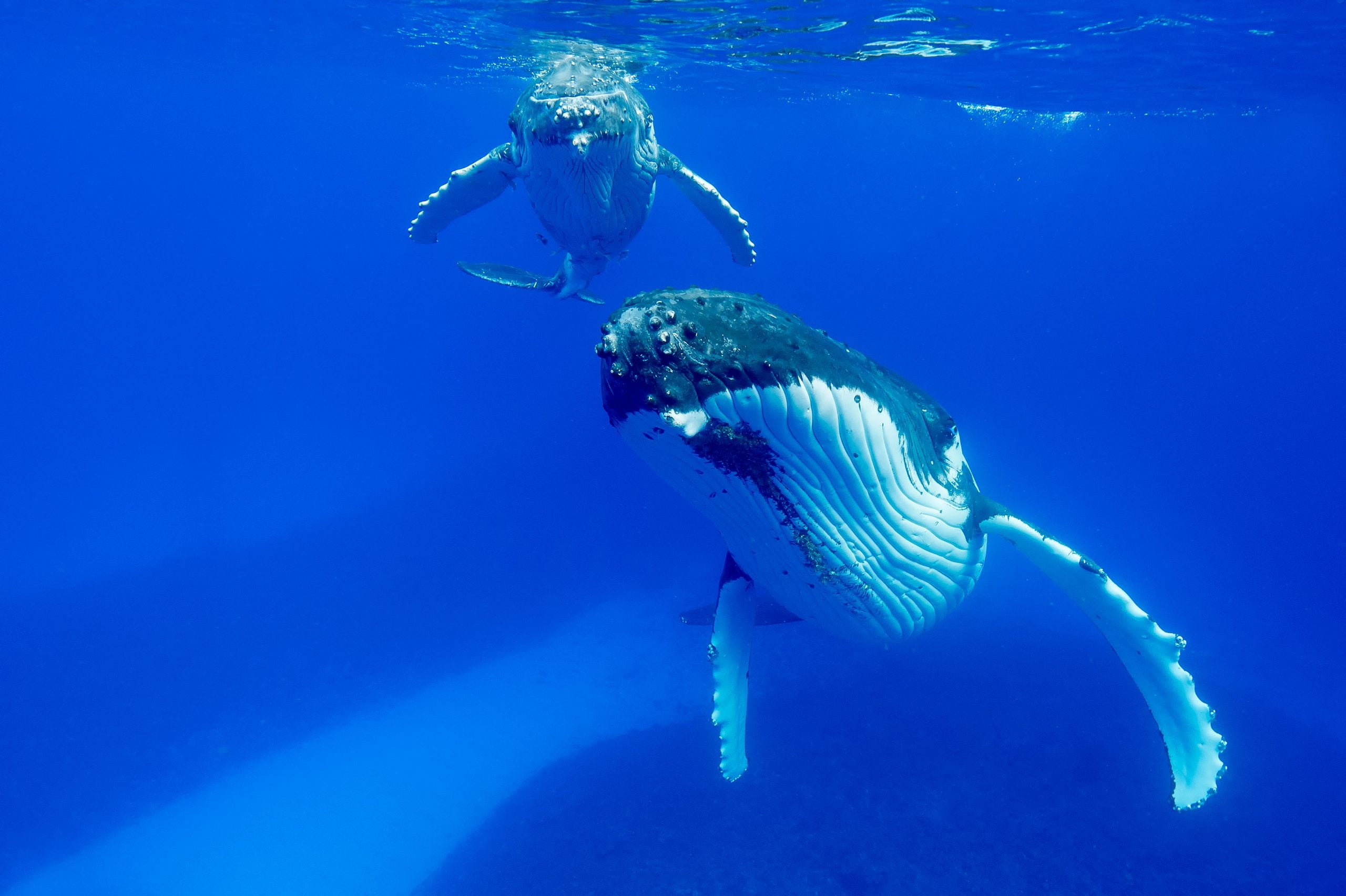
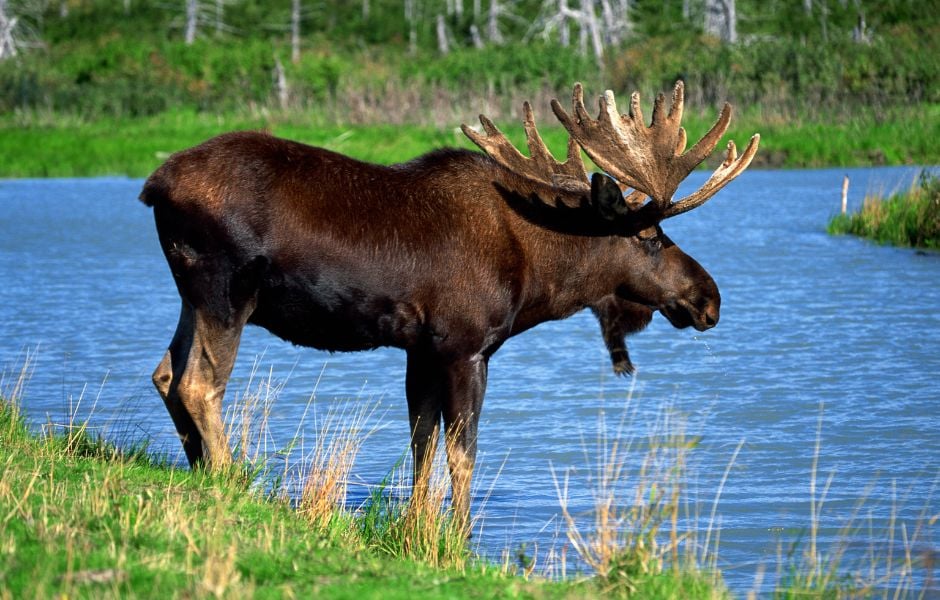
Culture lives in every corner of the wild.
We have long championed the role of culture and social learning in whales, dolphins, and porpoises. We’ve supported some of the earliest scientific research in this field, and now, this landmark publication proves that knowledge built by many scientists over many years has the power to drive policy change that can better protect these incredible beings.
There’s always more to learn
Monitoring whale and dolphin behavior can be tough, so the current spread of evidence about their culture is impressive. But there are still gaps in our knowledge. As new techniques emerge, we’ll continue to push for more research to fill these gaps.

What do we know about culture?
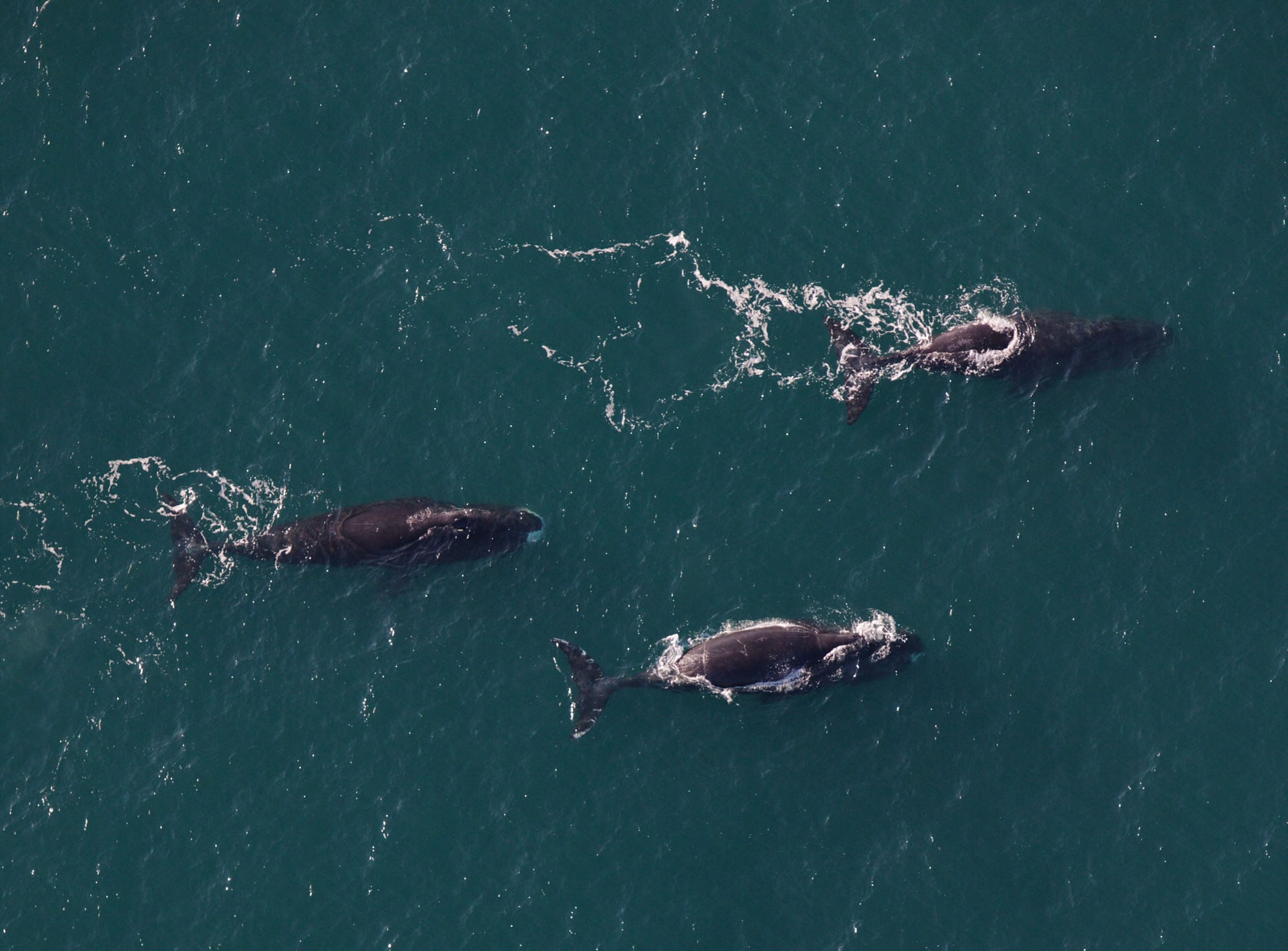
Research led by Ellen Garland and colleagues reviewed evidence for social learning in baleen whales – including humpback, bowhead, minke and blue whales. They found evidence that behaviors like migration, foraging, or communication can be passed socially, and that this knowledge should be considered when conservation decisions are made.
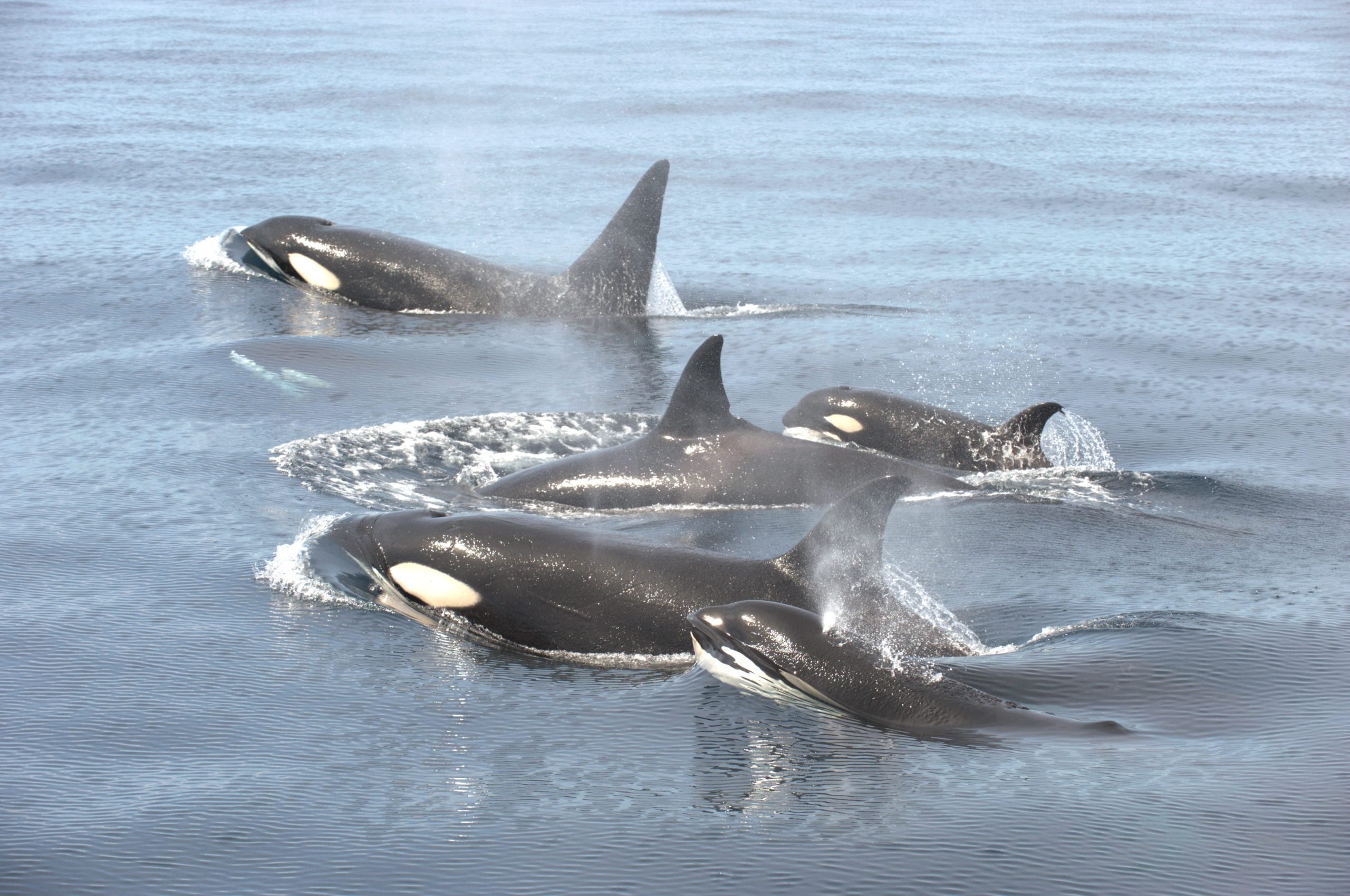
Taylor Hersh and colleagues also reviewed the many ways that odontocetes - toothed whales and dolphins – hunt and catch food. They identified 55 different types of foraging tactics that are likely cultural, with behaviors passed from mothers to calves being the most common.
Why culture matters
This special issue is more than just an academic milestone – it’s a rallying cry. It calls on conservationists, policymakers, and environmental agencies to reconsider how we define populations and critical habitats. If we want to conserve these species in our rapidly changing world, we must also protect their cultures – the behaviors and knowledge that help them survive.
Culture isn’t a novelty for whales and dolphins - it’s often a necessity.
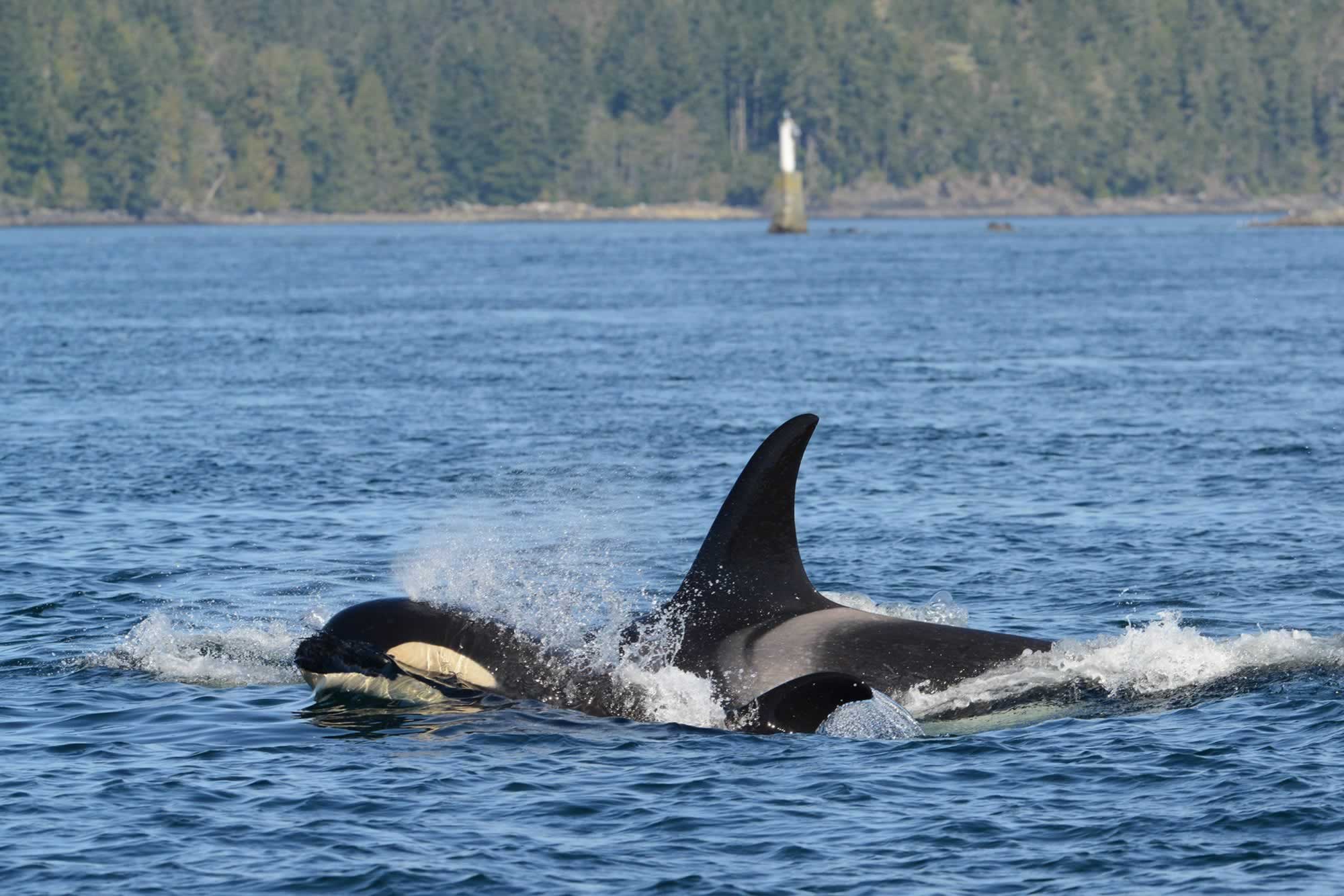
- Southern resident orcas in the Pacific Northwest pass down knowledge of how to forage for fish.
- Sperm whales in the Dominican Republic live in tight-knit social groups that share communication patterns, which shape how they use their habitat.
- Bottlenose dolphins share foraging techniques using tools, a skill that can help them respond to environmental stress such as marine heatwaves.
Recognizing that these incredible species have culture challenges us to look beyond species and population numbers. We must also preserve their social structures and ecological knowledge systems that can help them survive.
Will you adopt Holly and help preserve her family culture?
Turning knowledge into action
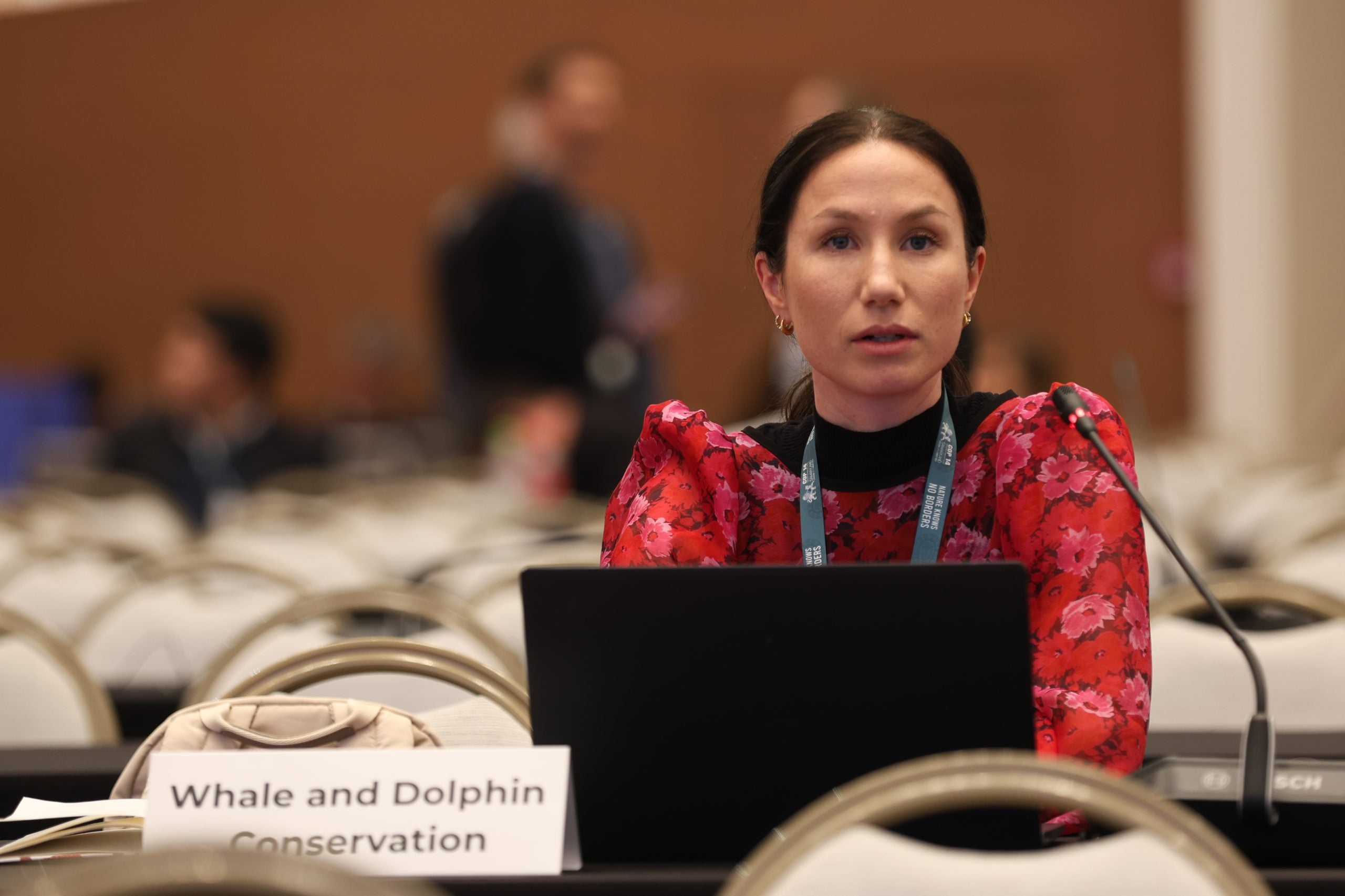
One of our core roles at WDC is to act as a bridge - between science and policy, between research and real-world protection. We bring the voices of whales and dolphins to many global gatherings where leaders make important decisions about conservation strategies. And increasingly, those conversations are shifting. It’s no longer simply about counting whales and calculating the sustainability of their populations. It’s about recognizing the richness and diversity of their lives and making sure it is protected.
Because of you, we’re able to show how culture can influence everything from migration to reproductive success, and resilience to environmental change. These are not abstract ideas – they can influence how we design marine protected areas, assess threats, and manage human activities across the oceans. And perhaps most importantly, these cultures represent unique ways of being – and they likely matter deeply to whales and dolphins.

We’ll keep advocating for whale and dolphin cultures wherever we can to ensure the best outcomes for these remarkable species. We work with researchers, governments, and communities to protect cultural knowledge, so future generations can inherit the wisdom of those who came before them.
Ultimately, culture is not just a list of learned behaviours. It can be a story of survival, written within and across generations, passed from mother to calf, from pod to pod or between social groups, through song, tool use or migration. Protecting these ecological stories is important for conservation, and may just be essential to helping these species adapt in this rapidly changing world.
Explore the full special issue of Philosophical Transactions of the Royal Society B here and learn more about the importance of culture and social learning to a host of other species: https://royalsocietypublishing.org/toc/rstb/2025/380/1925